Weather conditions can change suddenly and can damage your home as fast as they roll in. Severe weather can cause immediate or delayed structural and cosmetic damage, and storm damage does not have to come from a headline-making storm. Recovering from it — and even identifying it — can be challenging.
Safety First
Before you look for damage, make sure you are safe.
- Watch for hazards such as standing water, damaged electrical outlets, broken materials and exposed nails.
- Treat any broken or damaged power line as live. Do not move it; call the utility and let professionals handle it.
- If you smell gas, leave the house and call your gas company.
Our 6 Storm Restoration Tips
1. Hire a Local, Experienced Restoration Contractor
To get the work done right, hire a local, established and experienced storm restoration contractor. They will assess the damage, give you a restoration plan and repair your home. Ask about their insurance and credentials, and what they will stand behind after the job is done. Poor or incomplete restoration work can leave hidden moisture in your home, so choose carefully.
2. Get Help With Your Insurance Claim
Your contractor should give you a clear, documented account of the damage and the work needed, and help you communicate with your insurance company. Notify your insurer in writing of any suspected damage.
3. Assess the Damage — Including What Is Hidden
Help your contractor see everything that happened. An experienced contractor will know where to look for damage that is not obvious from the ground.
4. Look at the Whole Property
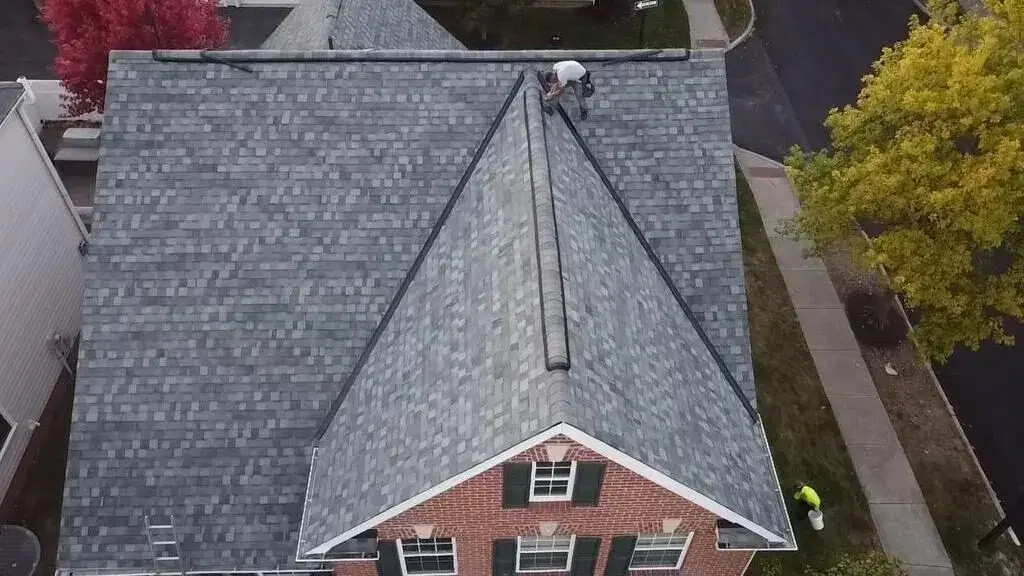
The roof takes the worst of most storms, so start there. Your contractor should check for:
- Missing, loose or damaged shingles
- Damaged or lifted flashing
- Holes in the roofing or flashing
- Cracks and broken lines
- Leaks and water damage inside
- Dents in gutters, downspouts and vents
- Damaged doors and window panes
- Missing paint and broken siding or brick
5. Prevent Mold and Mildew
Have storm damage looked at as soon as possible. Water that gets into the structure and is left there can lead to mold, which damages belongings and building materials and can cause health problems. Fast tarping and repair keep that from happening.
6. Work With Your Homeowner’s Insurance
Notify your insurance company in writing about any damage you suspect or can see. Your agent can walk you through the claim process and coordinate with your contractor.
Quick Tips to Remember
- If you can do it safely, photograph any damage or suspected damage for your insurance agent.
- Re-read your policy to see what is and is not covered, and whether there is a deadline for filing.
- When in doubt, call us for a free inspection.
Final Advice
Storm damage is stressful, and it does not always take severe weather to cause it. If you think your home may have been damaged, have a local restoration contractor inspect it. J. Riley Roofing is a local, family-owned storm damage restoration company based in Pickerington, and we will take care of your home like it is our own.